The weather conditions in this corner of France have become proverbial: sometimes these Norman (and Breton) lands are reputed to be lashed by rain even in the height of summer, and upon our arrival in the splendid norman town of Étretat, the weather seems to live up to this reputation.
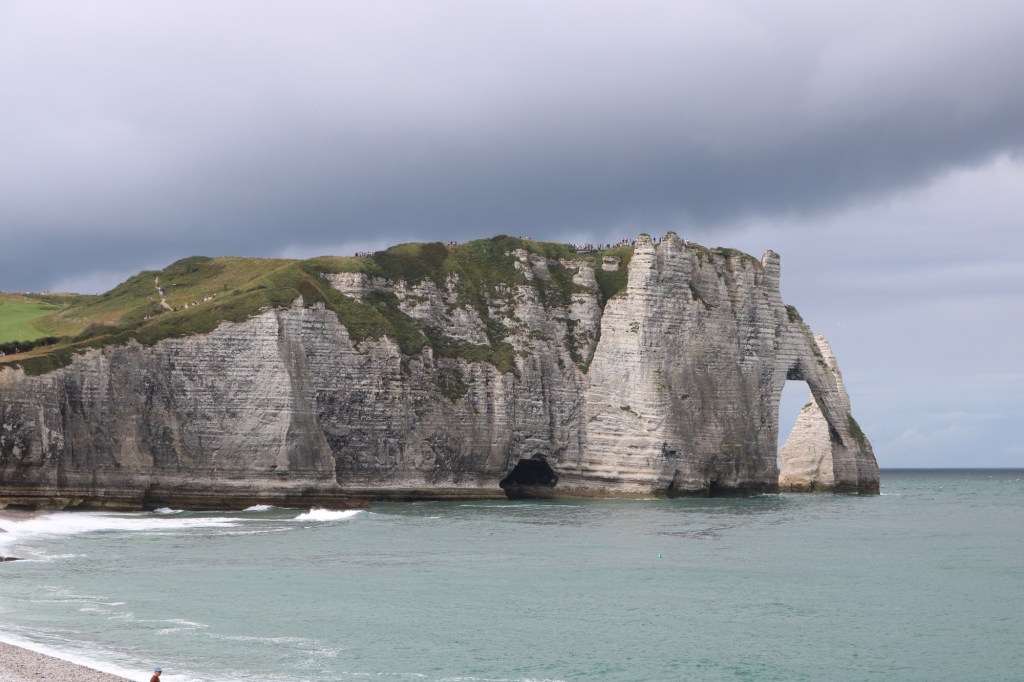
Indeed, shortly thereafter, the forecasted downpour unleashes itself. I might say that not all bad things come to harm, as the rain drives my wife and me to seek refuge in a small restaurant right by the beach, and our move proves to be very well-timed—we end up with a pot of mussels that is truly welcome.

It’s time to walk and climb these magnificent white cliffs.


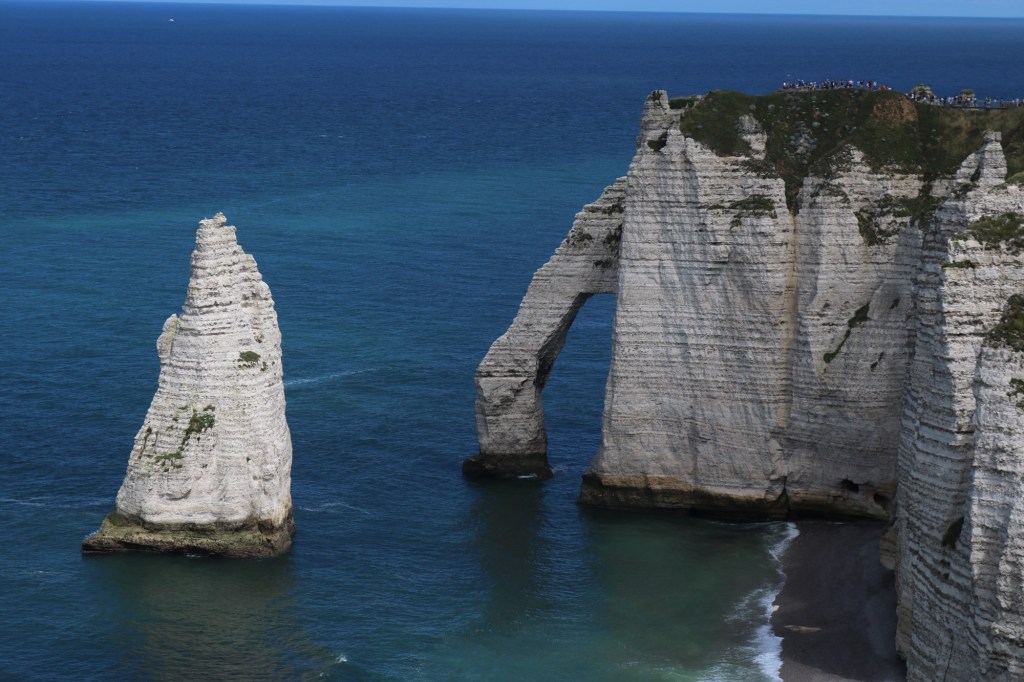

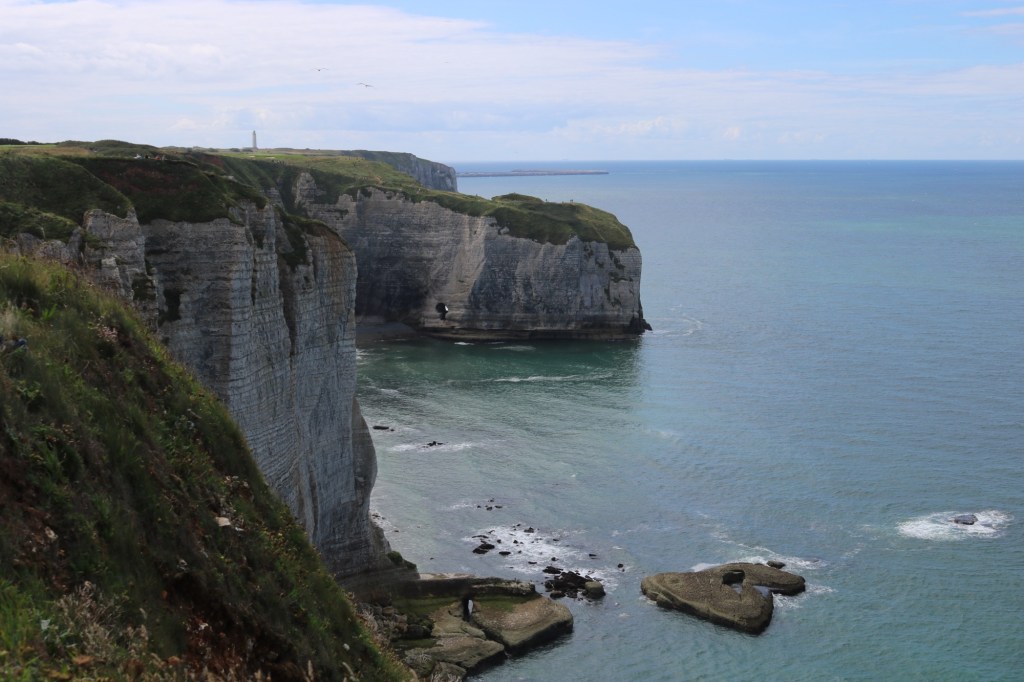
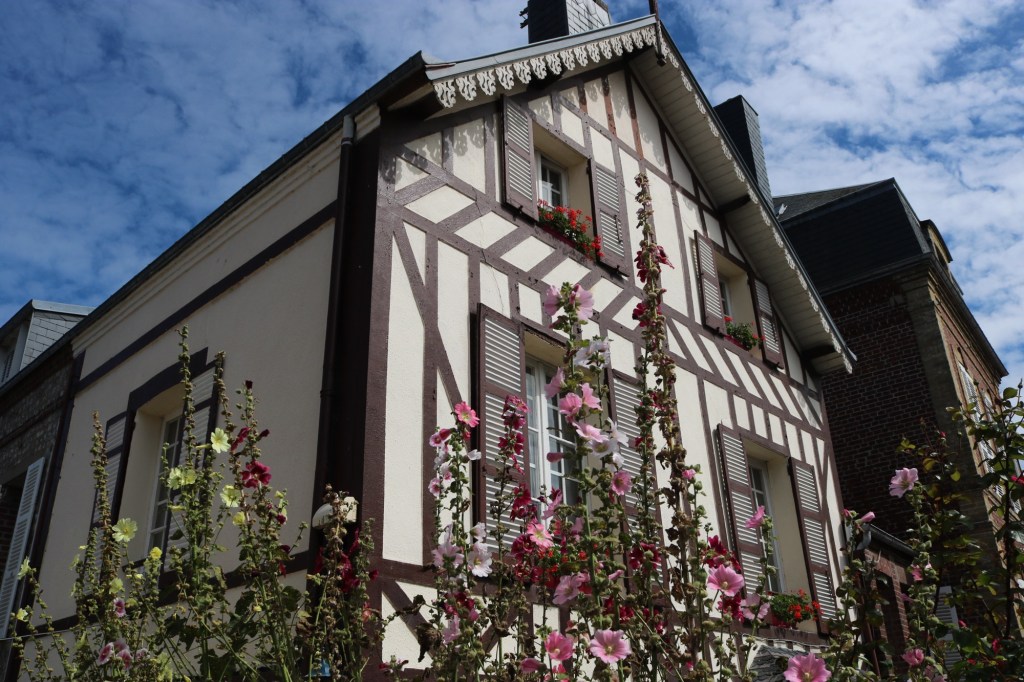
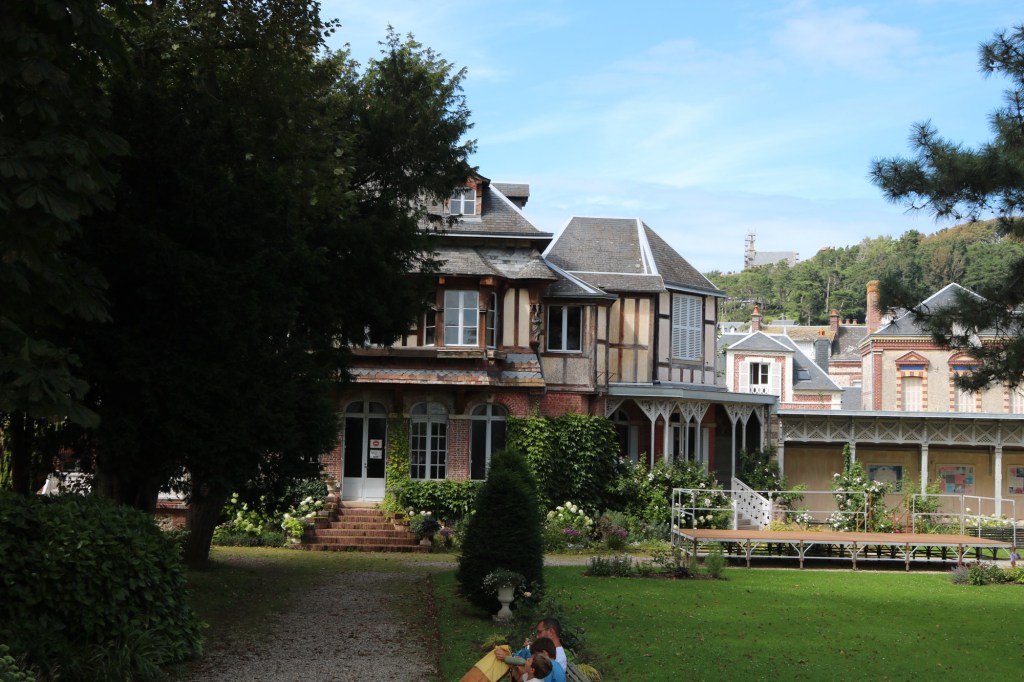
During our brief but well-deserved norman vacation, my wife and I stayed in the splendid town of Honfleur, on the other side of the Seine estuary. From our base to reach Étretat, we traveled about fifty kilometers, half on the highway and the other half through the splendid norman countryside, dear not only to Leblanc but also to Maupassant and André Gide among others: a land worthy of being visited by an enthusiast of French literature.
- From Riquewihr to Hunawihr (and way back)
- Étretat – Exploring the Cliffs together with Arsène Lupin
- Da Riquewihr a Hunawihr (e ritorno)
- Montevecchia – Green version
- Étretat – Esplorando le scogliere in compagnia di Arsene Lupin
- Kaysersberg – Alsazia
- Genova, da Boccadasse a Nervi
- Greenway del Lago di Como Da Sala Comacina a Lenno
- Talcahuano – Chile
- Milano vista da un tram, il numero 2
- Annecy, una piccola perla d’oltralpe
- Biella Piazzo
- Sapucai e la sua leggendaria stazione
- Val Calanca
- Porto, le alture e il fiume
- Morcote
- Montevecchia
- Lago di Como
- Il castello di Mesocco
- Genova, sestieri di Molo e Carignano
- Antonio Fogazzaro e il Ceresio
- Il Monastero di Torba e il FAI
- L’isola di Rousseau
- Friedrich Dürrenmatt e il lago di Bienne
 In viaggio con Sergio
Lascia un commento